

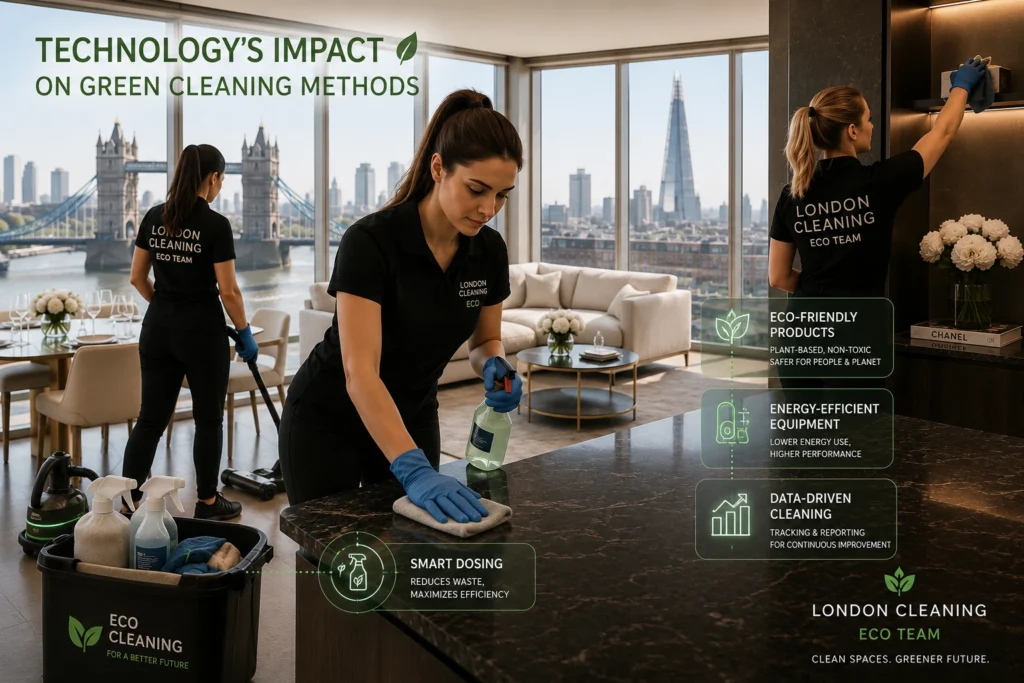
Technology’s Impact on Green Cleaning Methods
Cleaning has changed dramatically over the past decade. Where bleach and harsh chemicals once dominated shelves, gentler formulas now take their place. This shift did not happen by accident, innovation played a major role in pushing the industry toward safer, smarter practices. From sensors that measure water usage to apps that schedule tasks efficiently, technology has become a driving force behind eco-friendly cleaning across homes and businesses alike.
What Green Cleaning Means Today
Modern eco-conscious cleaning goes far beyond swapping one product for another. It involves rethinking entire processes, from sourcing ingredients to disposing of waste responsibly. Companies now consider carbon footprints, packaging materials, and water conservation when designing their offerings.
Three elements define this updated approach:
- Non-toxic ingredients that break down naturally without harming ecosystems;
- Reusable equipment that reduces single-use plastic waste;
- Energy-efficient machines that lower electricity consumption during operation.
Domestic cleaning routines have adapted too. Households increasingly choose plant-based sprays over synthetic alternatives, driven partly by health concerns and partly by environmental awareness. This cultural shift has pushed manufacturers to innovate faster than ever before.
Why Professional Cleaning Services Are Going Green
Commercial operations face pressure from clients who demand sustainable practices. Businesses want vendors who align with their own environmental goals, especially those managing office spaces, retail stores, or residential complexes. As a result, professional cleaning firms have started integrating eco-friendly tools into their daily operations.
Many companies now train staff on proper dilution ratios to avoid overusing chemical concentrates. Others invest in HEPA-filtered vacuums that trap allergens without releasing them back into the air. These changes benefit both clients and workers, reducing exposure to harsh substances while maintaining high standards.
Commercial cleaning contracts increasingly include sustainability clauses, requiring providers to document their environmental impact. This accountability pushes the entire sector toward greener solutions, benefiting everyone from building owners to daily occupants.
Eco-Friendly Products Powered by Innovation
Scientific advances have made it possible to create effective cleaners without relying on harmful compounds. Enzyme-based formulas, for instance, break down organic stains naturally, offering power comparable to traditional chemicals but without lingering toxicity.
Consider these innovations reshaping product development:
- Concentrated formulas that reduce packaging waste and shipping emissions.
- Refillable containers designed to minimize single-use plastic.
- Plant-derived surfactants that replace petroleum-based ingredients.
- UV-C light devices that sanitize surfaces without chemical residue.
These breakthroughs allow companies to meet performance expectations while honoring environmental commitments. Consumers benefit from products that work just as well, if not better, than older alternatives, all while supporting a healthier planet.
How End of Tenancy Cleaning Benefits From New Tools
Moving between rental properties often requires intensive cleaning to meet landlord expectations. End of tenancy cleaning has traditionally relied on strong chemicals to tackle stubborn grime, but newer tools now offer gentler yet equally effective solutions.
Steam cleaners, for example, sanitize surfaces using only water vapor, eliminating bacteria without leaving chemical residue behind. This method works particularly well on carpets, upholstery, and bathroom tiles, areas that typically demand aggressive scrubbing.
Digital checklists have also transformed how teams approach this work. Instead of relying on memory or paper notes, cleaners use apps that track progress room by room. This ensures nothing gets overlooked while providing transparency for landlords and tenants alike.
Battery-powered equipment further supports sustainability goals. Unlike gas-powered machines, these tools produce zero emissions during use, making them ideal for indoor environments where air quality matters most.
Technology continues reshaping how we approach cleanliness, blending effectiveness with environmental responsibility. From households embracing plant-based sprays to commercial teams adopting HEPA filtration, innovation touches every corner of this industry. Whether managing a single home or overseeing large-scale properties, choosing sustainable methods benefits both people and the planet.
For those seeking a provider that embraces these advancements, Busy Bee combines modern tools with eco-conscious practices to deliver outstanding results. Visit busybeeclean.co.uk to discover how their services can support your cleaning needs while keeping sustainability at the forefront.