



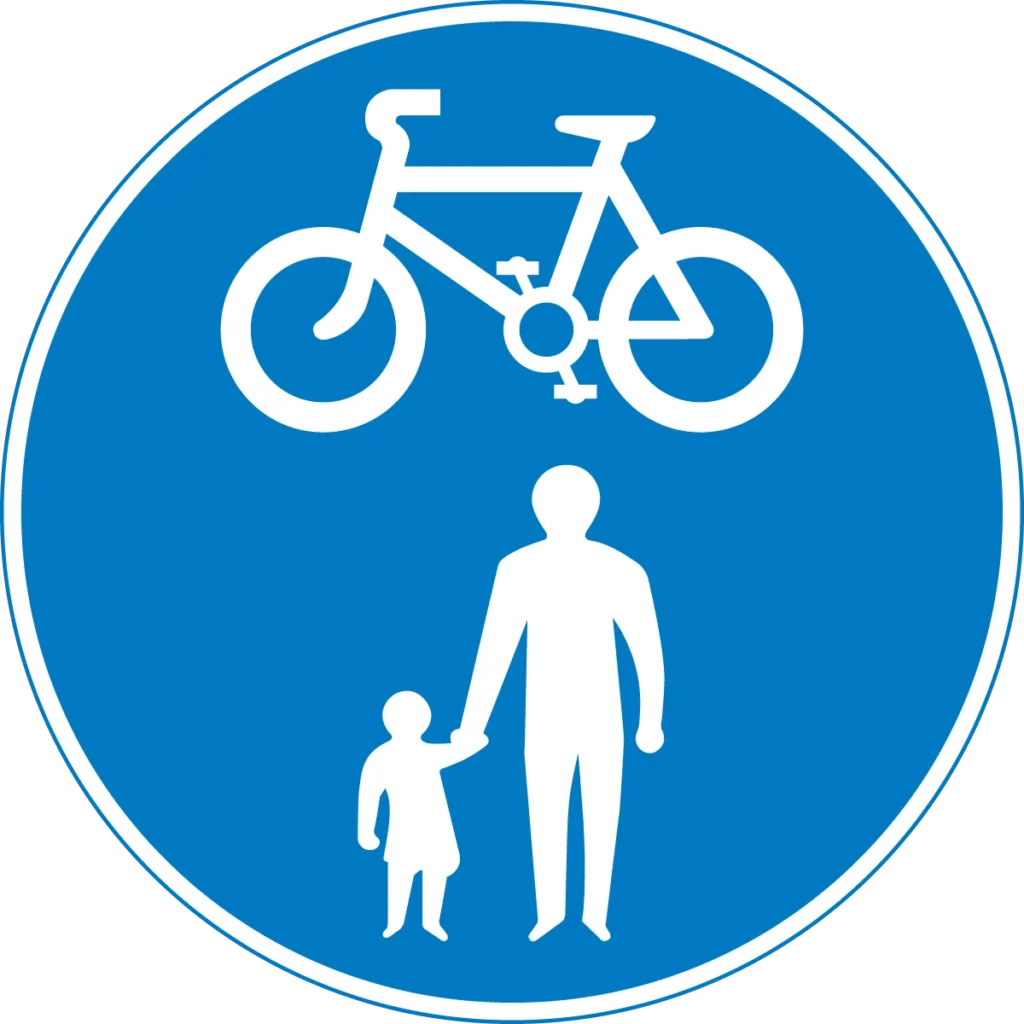
Cyclists, Pedestrians and the Updated Highway Code: What You Need to Know for Your Mock Theory Test
Recent updates to the Highway Code UK have become one of the most important topics for learner drivers preparing for the theory test. Many of the changes focus on improving safety for pedestrians and cyclists, and these rules now appear regularly in https://thehighway-code.co.uk/mock-theory/test-uk.html. They are designed to test not just memory, but real understanding of how the road system works.
The Hierarchy of Road Users
The Highway Code now clearly defines a hierarchy of road users based on responsibility. Those who can cause the most harm have the greatest responsibility to reduce danger:
Pedestrians → Cyclists → Motorcyclists → Cars → Large vehicles
This means car drivers must take extra care around more vulnerable road users. In a Mock Theory Test, you may be asked to decide who should give way in a situation where older habits no longer apply.
Pedestrians at Junctions
One of the most significant changes involves pedestrians at junctions. If you are turning into or out of a junction and:
- a pedestrian has already started crossing, or
- a pedestrian is waiting to cross
you should give way.
Many learners answer these questions incorrectly because they rely on instinct or outdated rules. Practising with a Mock Theory Test helps you recognise these situations before the real exam.
Cyclists and Safe Passing Distance
The Highway Code places strong emphasis on passing cyclists safely:
- leave at least 1.5 metres when overtaking at speeds up to 30 mph
- allow even more space at higher speeds
In a Mock Theory Test, these rules often appear as scenario-based questions rather than direct facts. You may need to judge when it is safer not to overtake, even if the road seems clear.
Junctions and Roundabouts
Cyclists at junctions and roundabouts are another common source of confusion. According to the Highway Code, drivers should:
- watch carefully for cyclists going straight ahead
- avoid cutting across their path when turning
- understand that cyclists may use the full lane
These situations frequently appear in Mock Theory Test questions because they reflect real-life driving risks.
Why Mock Theory Test Practice Matters
Reading the Highway Code gives you the rules, but Mock Theory Test practice shows how those rules are tested. It helps you:
- understand DVSA-style question wording
- spot common traps and misunderstandings
- apply the rules under exam conditions
Regular practice reduces stress and builds confidence before the real test.
Final Thoughts
The updated Highway Code aims to protect the most vulnerable road users and make UK roads safer for everyone. To pass your theory test with confidence, it’s essential to go beyond memorising rules and learn how to apply them. Mock Theory Test practice is one of the most effective ways to prepare — and to pass first time.