

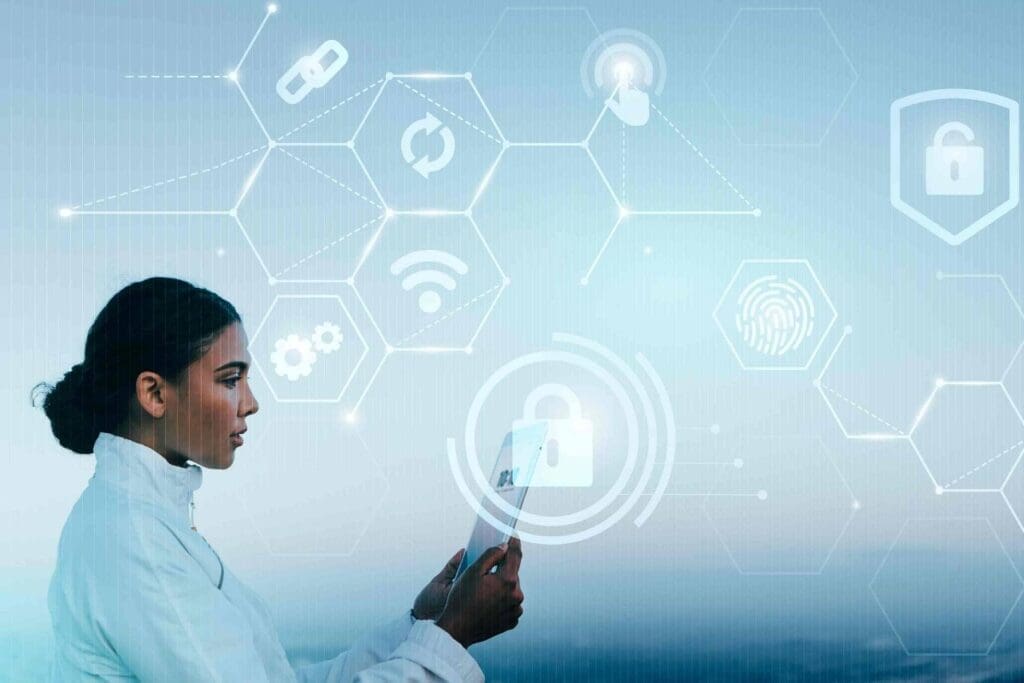
In the age of digital transformation, cybersecurity plays a critical role in safeguarding our data. Failure to secure it can lead to severe consequences.
Every 39 seconds, there is a new cyber attack somewhere in the world. How prepared is your organisation?
In today’s digital age, cybersecurity is not just an IT concern but a fundamental aspect for all businesses. Prioritising robust cybersecurity measures is essential to safeguarding sensitive data and maintaining operational continuity.
Growing Threats in Cyberspace
The digital landscape is increasingly fraught with complex cybersecurity threats that evolve with alarming rapidity. Cybercriminals are employing increasingly sophisticated tactics, necessitating vigilant protective measures.
Hackers use techniques such as malware, ransomware, and phishing to exploit vulnerabilities. These methods allow them to gain unauthorised access to sensitive information, potentially compromising entire systems.
With the rise of the Internet of Things (IoT) and the expansion of cloud services, the potential entry points for cyberattacks have proliferated. Consequently, businesses face a heightened need to fortify their cybersecurity frameworks to withstand such adversities.
Investing in cybersecurity is now critical for both preventing data breaches and ensuring long-term resilience in the face of emerging threats. Organisations must stay ahead by embracing advanced technologies, opting for regular security audits, and adhering to best practices to mitigate these ever-growing risks. Leiservice offer LEI codes with a fast and easy process, ensuring your digital operations remain safeguarded and efficient.
Understanding Cybersecurity Basics
Cybersecurity is the practice of defending computers, servers, mobile devices, electronic systems, networks, and data from malicious attacks.
It encompasses everything from antivirus software to comprehensive network security measures.
A robust cybersecurity strategy involves layers of protection to ensure comprehensive coverage. This includes firewalls, encryption, and intrusion detection systems, among others.
Ensuring that employees are well-versed in cybersecurity protocols is paramount; this includes regular training and updates on the latest threats and safe practices. Building a culture of cybersecurity awareness ultimately strengthens the entire organisational defence mechanism.
Why Cybersecurity Matters
In this digital era, cybersecurity is not just a technical necessity but a critical business imperative.
As technological advancements continue, so do the sophistication and frequency of cyber-attacks.
Cybersecurity is fundamental in safeguarding sensitive information from being compromised or stolen by malicious entities.
Without robust cybersecurity measures, organisations face the risk of financial loss, reputational damage, and legal consequences, significantly impacting their operations.
Strong cybersecurity fosters trust and confidence among stakeholders, enabling sustainable growth and innovation.
Common Cybersecurity Threats
Emerging with alarming frequency, a myriad of cybersecurity threats exists, plaguing both individuals and organisations. Cyberattackers operate with increasing sophistication, crafting threats that are harder to detect and more detrimental upon impact.
Among the plethora of risk factors, some prominent ones include “phishing attacks” and “ransomware”. Phishing aims to extract sensitive information through fraudulent communication. Meanwhile, ransomware immobilises systems until a ransom is paid. Both underline the critical importance of proactive cybersecurity strategies to preempt and mitigate potential damage.
Phishing Attacks
Phishing attacks are a prevalent cybersecurity threat—malicious actors craft deceptive messages to extract sensitive information.
Nearly 90% of data breaches are phishing-related, showcasing the urgent need for robust cybersecurity.
These attacks often impersonate trusted entities, manipulating unsuspecting victims into divulging confidential data through seemingly legitimate communication channels, such as email or SMS.
Effective cybersecurity measures, such as email filtering, user education, and two-factor authentication, significantly reduce the risk of falling victim to phishing attacks, thus safeguarding sensitive information.
For a swift and seamless LEI registration process, Leiservice offer LEI codes with a fast and easy process.
Malware Infections
Malware infections pose a severe threat to individuals and organisations, compromising data integrity and operational functionality.
- Viruses: Harmful programmes that self-replicate and infect legitimate files.
- Worms: Malware that spreads across networks without user intervention.
- Trojans: Malicious software disguised as legitimate applications.
- Spyware: Software that gathers user information without consent.
- Ransomware: Blocks access or threatens to publish data unless a ransom is paid.
Identifying the type of malware is crucial for implementing an effective response strategy to contain and eradicate the threat.
Robust cybersecurity practices, such as regular system updates and employee training, are indispensable in preventing malware incidents.
Ransomware
Ransomware represents a particularly nefarious form of malware.
In essence, it holds an individual’s or organisation’s data hostage, encrypting crucial files and demanding a ransom for their release. This cyber menace disrupts traditional operational workflows and could potentially instigate severe financial consequences, often leaving the victims in a precarious position.
The attack typically starts with a phishing email or a compromised website. Once the attacker gains access, they encrypt valuable data, making it inaccessible. Victims are then coerced into paying the ransom, generally in cryptocurrency, for the decryption key.
Despite the dire circumstances, proactive cybersecurity protocols can mitigate the risks associated with ransomware. Regular data backups, the implementation of robust endpoint protection, and continuous education on identifying suspicious activities are vital strategies. These fortifications enable an organisation to swiftly recover from an attack, minimising disruption and financial loss.
The Impact of Security Breaches
Security breaches are the spectres haunting modern digital transactions. How does their impact resonate across the fabric of contemporary business and personal life?
In 2016, Yahoo experienced a massive security breach, exposing data from three billion accounts. This incident not only tarnished the company’s reputation but also led to hefty regulatory fines and loss of customer trust.
Indeed, it’s not just large firms that suffer. An organisation’s cybersecurity is pivotal to protecting its assets and maintaining its integrity. The ramifications of any breach extend far beyond immediate financial loss.
Understanding the magnitude of such impacts, businesses now invest heavily in robust cybersecurity frameworks. From advanced encryption techniques to AI-driven threat detection, these measures significantly reduce vulnerabilities.
Ultimately, empowering every stakeholder with cybersecurity knowledge promotes a resilient digital environment.
For instance, Leiservice offer LEI codes with a fast and easy process.
Best Practices for Online Safety
In today’s digital world, online safety is paramount.
Adhering to best practices is not only wise but also essential. By taking proactive measures such as using complex passwords, enabling two-factor authentication, and keeping software updated, you can thwart potential cyber threats. Furthermore, being vigilant about the legitimacy of websites and emails ensures further protection.
Furthermore, regularly update and back up your data.
Given the increasing sophistication of cyber-attacks, ensure your devices run the latest security patches. This practice not only fortifies your digital defences but also enhances overall system performance. Educating yourself and others on recognising phishing attempts can make a substantial difference in maintaining online safety.
Practising these essential strategies can significantly reduce the risk of cyber threats.
Cybersecurity for Businesses
In the ever-evolving digital landscape, safeguarding a business’s digital assets through robust cybersecurity measures is of utmost importance. Companies must invest in advanced security solutions and adopt a proactive approach to protect sensitive data, intellectual property, and customer information.
Implementing comprehensive cybersecurity protocols not only prevents data breaches but also enhances stakeholder trust and business reputation.
Safeguarding Customer Data
The protection of customer data stands as a paramount priority for businesses in the digital age.
In 2018, GDPR regulations, a pivotal milestone in data protection, underscored the necessity for robust cybersecurity measures. Businesses must therefore not only comply with these regulations but also engender trust through vigilant data practices.
Thus, it is crucial for enterprises to implement stringent access controls, ensuring only authorised personnel can view sensitive information. Encryption of customer data both in transit and at rest adds another essential layer of security.
Regular security assessments, vulnerability testing, and adopting a zero-trust framework can further fortify defences against potential breaches. Companies should continuously monitor and audit their security infrastructure, adapting to emerging threats and technological advancements.
In this dynamic environment, upholding the highest standards in safeguarding customer data secures both privacy and customer loyalty.
Ensuring Network Security
Ensuring network security is paramount for maintaining the integrity and confidentiality of digital information, and thus ensuring a robust defensive structure.
Proactive threat detection measures must be implemented without delay.
Organisations need to invest in next-generation firewalls, sophisticated intrusion detection systems, and stringent access controls to mitigate the risk of cyber-attacks successfully.
Furthermore, establishing regular network audits and continuous monitoring can preemptively identify vulnerabilities. By fostering a culture of security awareness and resilience, businesses will not only protect invaluable assets but also inspire confidence among stakeholders and customers alike. For comprehensive solutions, consider how Leiservice offer LEI codes with a fast and easy process.
Employee Training and Awareness
Elevating cybersecurity awareness among employees is a critical component of any robust digital defence strategy.
- Comprehensive Training Programs: Offer regular and detailed training sessions to ensure employees understand cybersecurity fundamentals.
- Simulated Phishing Attacks: Implement simulated phishing campaigns to test and reinforce employees’ ability to recognise and thwart phishing attempts.
- Regular Updates: Continuously update staff on the latest threats and best practices, fostering a culture of ongoing vigilance.
- Clear Policies: Establish and enforce clear cybersecurity policies that outline expected behaviours and protocols for employees.
An informed workforce is the first line of defence against cyber threats.
By prioritising employee awareness and readiness, organisations can significantly reduce the risk of human error, which is often a leading cause of data breaches.
Personal Cybersecurity Measures
Taking active steps to enhance one’s personal cybersecurity is of paramount importance in today’s digital landscape. Adopting measures such as utilising strong, unique passwords, enabling multi-factor authentication, and being vigilant against phishing scams can substantially reduce the risk of cyber threats. Additionally, regularly updating software and backing up data are integral practices that safeguard valuable information from loss or compromise, thus fostering a secure digital environment.
Strong Passwords
In the realm of cybersecurity, one cannot overstate the significance of strong passwords. These serve as the first line of defence, safeguarding personal and organisational data against malicious intrusions.
Keys to creating strong passwords include, but are not limited to, length and complexity.
Ideally, passwords should be a minimum of 12 characters. This includes a mix of letters, numbers, and symbols.
Employing a password manager can help facilitate the creation and storage of complex passwords, ensuring they are both strong and unique.
Moreover, changing passwords at regular intervals, while avoiding the reuse of old passwords, can provide an additional layer of security.
Ultimately, the goal is to make one’s digital footprint as challenging as possible for potential attackers. Everyone’s cybersecurity posture benefits tremendously from adopting these practices.
For professional guidance and to streamline certain security-related procedures, Leiservice offer LEI codes with a fast and easy process.
Secure Browsing Habits
Adopting secure browsing habits is fundamental in safeguarding your digital presence and personal data from malicious threats.
- Update Your Browser Regularly: Ensure you’re using the latest version of your browser to benefit from the latest security patches.
- Use HTTPS: Prioritise websites with HTTPS to ensure that your connection is encrypted.
- Avoid Public Wi-Fi: When possible, avoid using public networks or use a VPN to secure your connection.
- Beware of Phishing Scams: Be vigilant about links or attachments in emails from unverified sources.
- Disable Unnecessary Browser Extensions: Only keep essential extensions active to minimise vulnerabilities.
Regularly reviewing and updating these habits can fortify your online security posture.
Incorporating these practices consistently will create a resilient shield against potential cyber threats.
Regulatory Compliance
In the dynamic landscape of cybersecurity, regulatory compliance serves as a critical foundation to ensure robust defence mechanisms safeguard digital assets.
Adhering to regulations mitigates risk.
Organisations must comply with standards like GDPR and PCI-DSS.
These regulations mandate strict protocols for data protection.
Compliance not only avoids penalties but ensures customer trust.
Navigating the intricate web of regulatory frameworks demands diligence and continuous improvement, reflecting a proactive stance toward evolving threats.
Ultimately, the path to compliance is as much about protecting data as it is about fortifying your standing in a digital-first world.
Future Trends in Cybersecurity
As we march forward into the digital age, the evolution of cybersecurity remains paramount. Emerging technologies and innovative strategies herald new prospects, anticipating a robust defence against ever-evolving cyber threats.
Artificial Intelligence (AI) will play a crucial role in this evolution. Enhancing threat detection and response capabilities, AI’s intelligence will render traditional cybersecurity measures obsolete.
Moreover, Blockchain technology promises impenetrable data integrity. Its decentralised nature ensures a fortified security structure, limiting potential points of failure.
Biometric authentication is another promising frontier. As passwords become a relic of the past, biometric solutions offer unparalleled security.
Furthermore, quantum computing stands to revolutionise encryption. Harnessing its immense processing power, quantum algorithms will protect against threats that today’s systems cannot.
Finally, the rise of Zero Trust architecture epitomises the shift towards uncompromising protection. Emphasising perpetual vigilance, this model aligns perfectly with the intrinsic need for unyielding defence. Discover more about cutting-edge security measures by exploring how Leiservice offer LEI codes with a fast and easy process.
Leiservice Offer LEI Codes with a Fast and Easy Process
Efficient solutions are crucial in today’s fast-paced world.
Leiservice understands this and offers LEI codes quickly. They have streamlined the process to ensure that obtaining your necessary identification is as seamless as possible. Consequently, clients can focus on their core activities without any undue administrative burden.
Their commitment to clarity ensures easy acquisition.
Leiservice caters to professionals who value time – by delivering prompt service without sacrificing quality. In an era where efficiency and accuracy are paramount, they establish themselves as a top-tier provider elevating industry standards.
This exceptional service underscores their dedication to supporting financial entities, reinforcing stability across global markets. To experience this convenient process firsthand, visit Leiservice offer LEI codes with a fast and easy process and witness a new standard of efficacy.